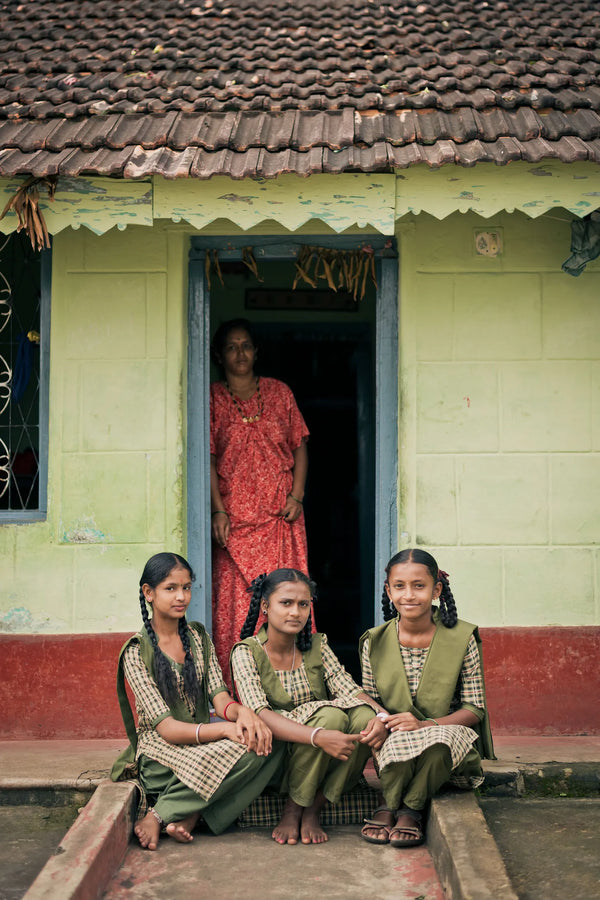
When everyone is being photographed, where does the responsibility of the photographer begin?
For the longest time, I have wondered about the ethics of photographing strangers.
Where does consent begin? And where does it end?
Today, cameras are everywhere. Our phones are cameras. There are CCTV cameras on streets, in shops, offices and buildings. We are being photographed all the time, often without even knowing it.
So does consent still matter?
I recently found myself thinking about this while considering street photography.
When we travel to a rural setting, it is easy to become fascinated by a way of life that is different from our own. The people, their clothes, their surroundings, their everyday lives. As photographers, we often raise our cameras and take a photograph without thinking twice.
But imagine someone doing exactly the same thing to us in a busy city.
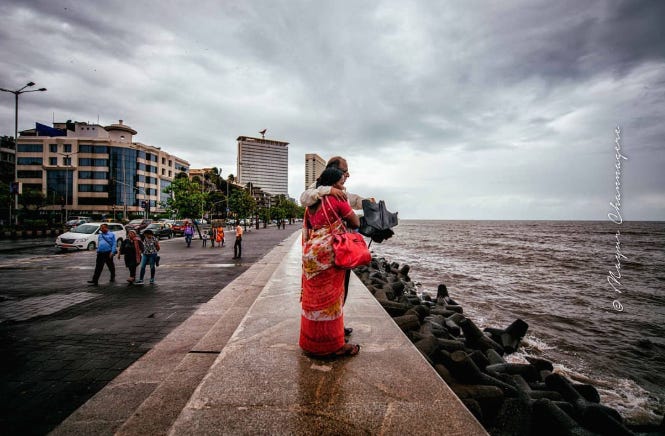
Point a camera at a stranger on the street, and you could immediately be questioned: Why are you photographing me? What are you going to do with my picture?
And perhaps they have every right to ask.
We often say, “It depends on the intent.”
But that raises another question: Who decides what the intent is?
The photographer may see a moment of beauty or curiosity. The person being photographed may feel exposed or uncomfortable. Both experiences can be true at the same time.
Perhaps the real issue isn’t simply whether we have the right to photograph someone.
Perhaps it is whether we are willing to pause and consider the person on the other side of the lens.
In a world where we are constantly surrounded by cameras, have we become so used to being photographed that we no longer care?
Or does consent matter more than ever?
I don’t have a simple answer.
But I think it is a conversation photographers need to keep having.
What do you think?